

Leaders in systems for wastewater flow control
Quick low-cost installation
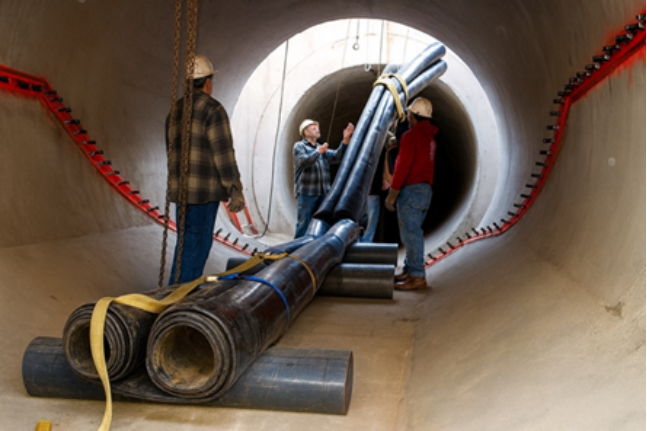
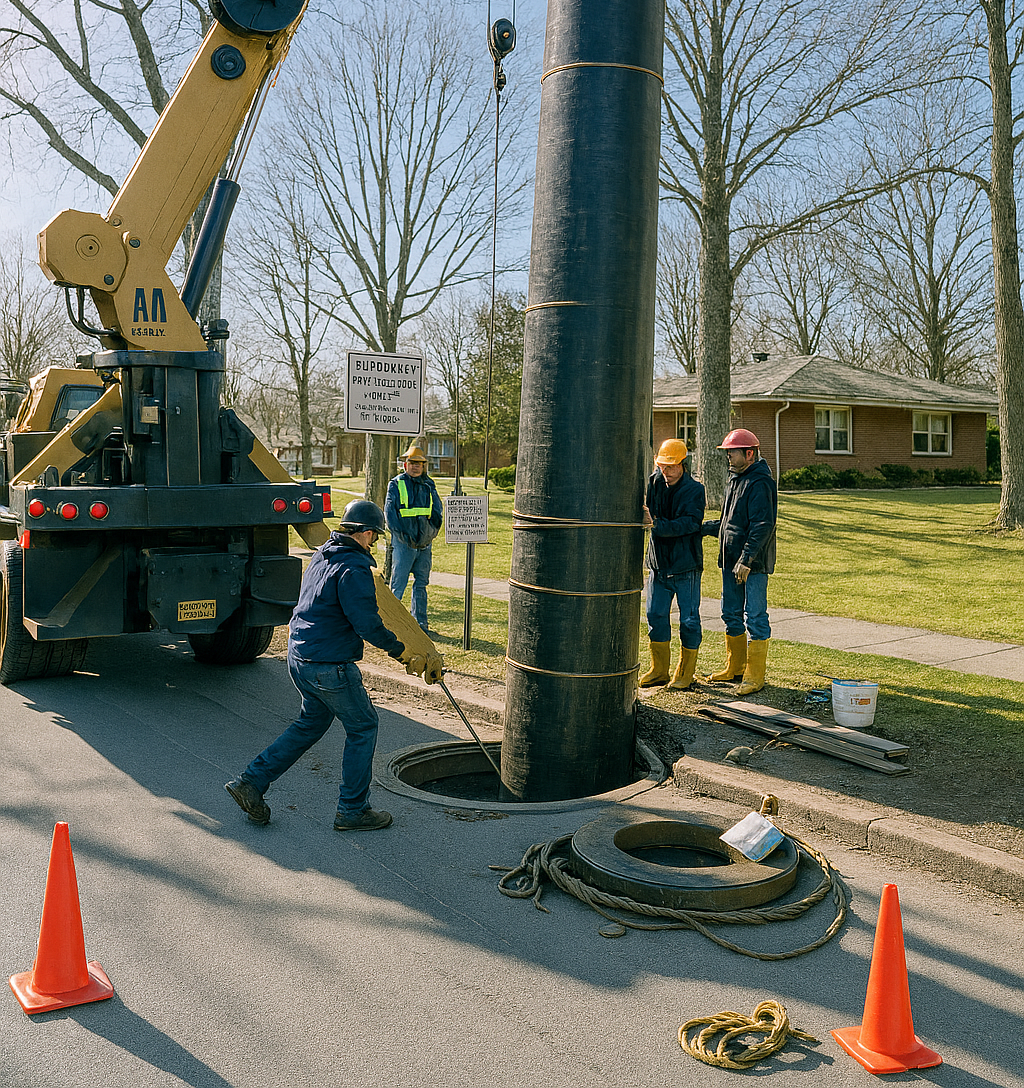
Complete internal installation
The entire gate system is mounted from inside the existing tunnel infrastructure, minimizing the need for complex external access shafts or heavy machinery.
Eliminates the need for excavation
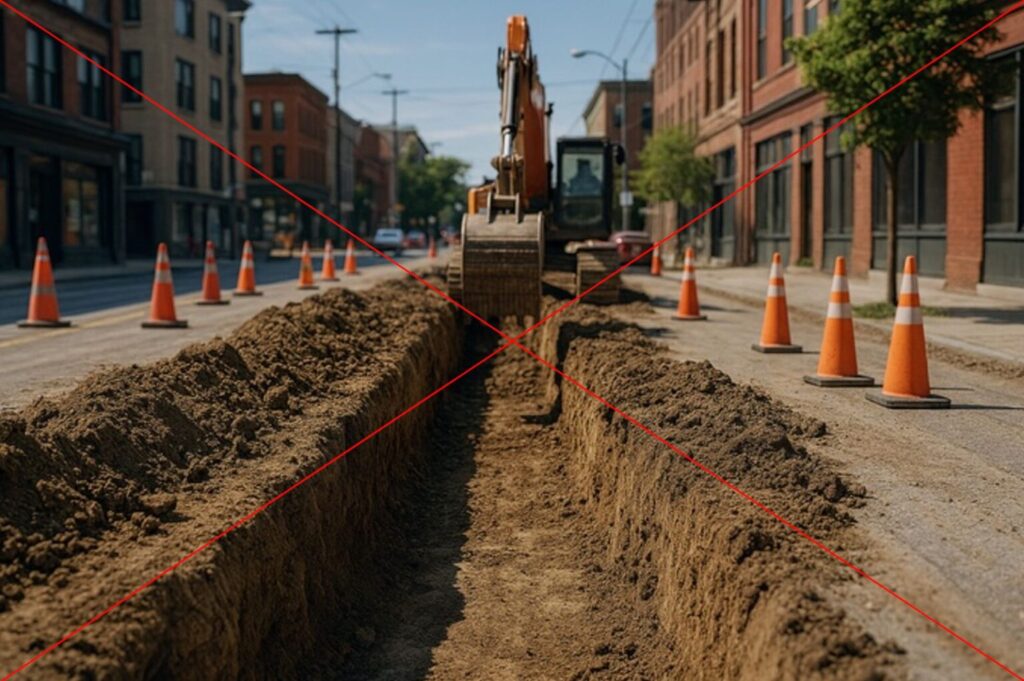
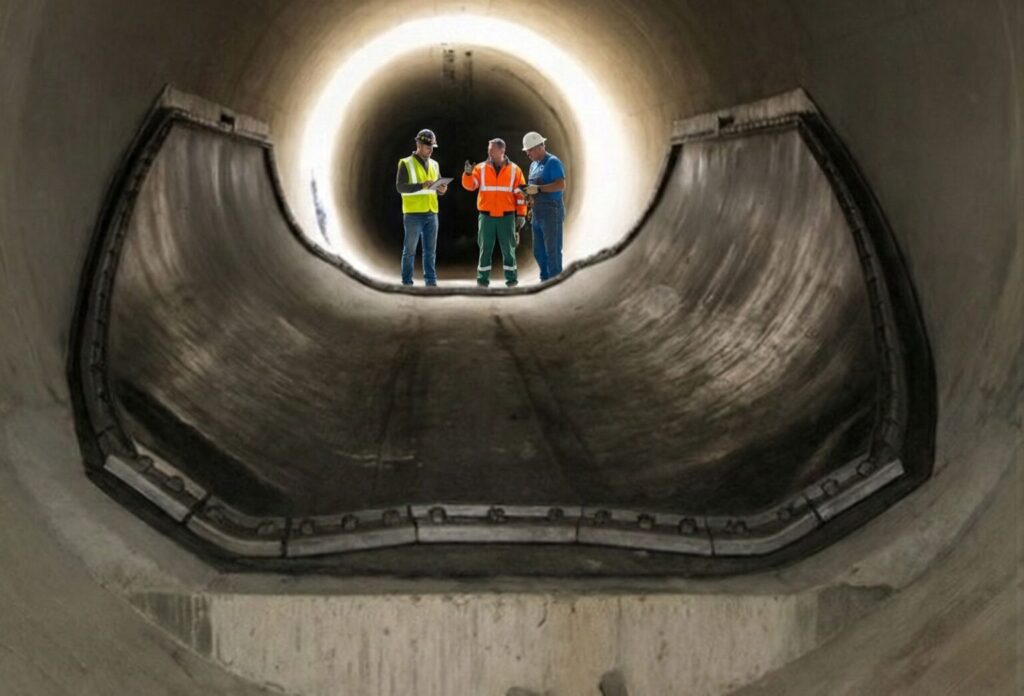
No above-ground structures
Practically maintenance free
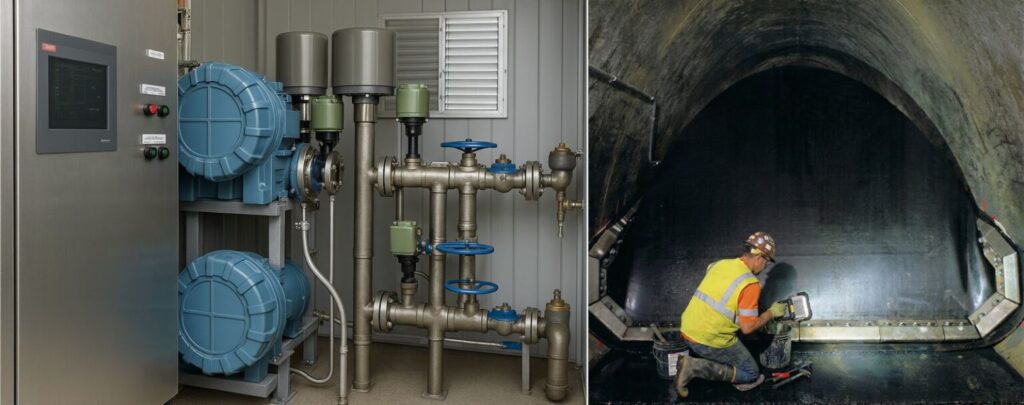

Controlled by low-pressure air
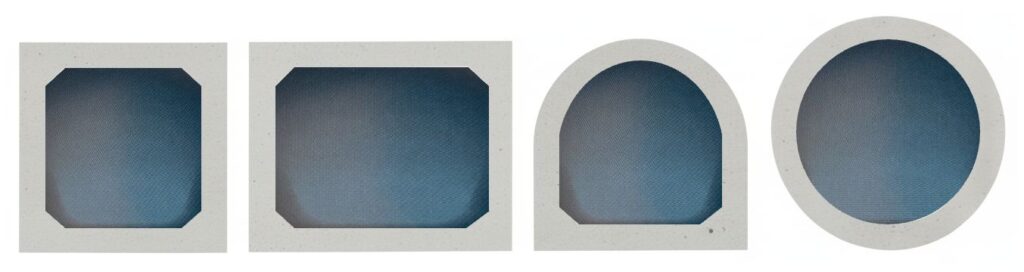
Suitable for a range of tunnel geometries

Long service life
Comparative Table: Advantages Over Conventional Systems
| Feature | Metal gates | Expan Gates |
|---|---|---|
| Installation | Street pavement must be removed and a chamber built to install the gate. | Can be lowered through existing or enlarged manholes. Street excavation is not required. |
| Operating system | Requires hydraulic systems or screw mechanisms (high maintenance). A separate chamber adjacent to or above the gate is required. | Only requires an 80–100 mm air pipe and a 50 mm pressure pipe. The blower and valves are located in the control chamber, above or below ground (not necessarily adjacent). |
| Tolerances | Requires guide rails installed with very tight tolerances. | No strict tolerances are required. The system is adjusted on site and allows compensation for variations in tunnel dimensions and geometry. |
| Risk of obstruction | The risk occurs mainly during gate descent, when branches, rags and other small debris commonly found in sewer systems can become trapped beneath the gates, hindering or preventing closure. | When deflated, it allows full opening of the tunnel cross section, eliminating any risk of obstruction. |
| Corrosion | Susceptible to corrosion unless stainless steel is used. | Primarily composed of rubber, while metallic components can be manufactured from stainless steel. |
| Power supply failure | Operation is difficult in the event of a power supply failure. | Only the deflation valve needs to be opened, allowing hydraulic pressure to automatically lower the gate. Fail-open safety valves can be incorporated. |
| Structural load | Generates additional loads on the tunnel structure. | FEI analysis indicates that loads transmitted to the tunnel structure are minimal. |
| Safety and design | Based on a conventional design. | Designed with a factor of safety (FOS) of 4; the membrane operates under low tension. |
| Gate size | In large interceptors or trunk tunnels, sector or radial gates are used, with dimensions of up to 20 feet (6 meters). | Full-closure design available for heights up to 16’ (4.8 m). Can be manufactured up to 14.7’ (4.5 m). Gates smaller than 3–4 feet (0.9–1.2 m) are difficult to install. However, small sizes can be assembled at the surface and installed using open excavation. |
Scope of supply
Including
• Fabric reinforced bladder (upper & lower sheet)
• Fixing plates (stainless or galvanized)
• Stainless steel anchor bolts
• Air supply/exhaust, pressure sensing and condensate drainage flanges with support stub-pipe
• Spacer cushion set, including fixing materials
• Regenerative blowers (2 units standard)
• Optional: positive displacement blower with uploader valve
• Supply, control and larger rapid deflation valve, plus PRV valves
• Air pressure gauges
• Air pressure transducer
• Optional (recommended): UPS system
• Control panel, including programming
• Installation manual and technical documentation
Excluded
• Vacuum blower, unless specifically requested (would remove last 0.5 psi)
• Resin for setting anchor bolts
• Water level measuring devices
• Piping between Expan Gate supplied equipment
• Optional: Remote communications system, if desired
• Vault power panel, telephone and security panels, lighting, dehumidifier*, heater and ventilation
• Installation and civils